


 English
 Español
 Pусский
 العربية
 Français

What is AMPS?
Amps, short for amperes, represent the quantity of electric current flowing through a wire or circuit. They serve as a measure of the strength of this electrical flow. In applications such as charging a car battery, amps indicate the speed at which electricity transfers from the charger to the battery. Therefore, amps play a vital role in gauging the rate of electrical flow, a critical aspect in numerous electrical and charging scenarios. Understanding the significance of amps is fundamental for ensuring efficient and safe electrical operations.
Visualize your electrical panel as a gateway with a finite capacity for allowing amps to pass through simultaneously. Overloading it by connecting multiple high-amp appliances simultaneously can surpass this limit. Consequently, your circuit breakers may trip, interrupting power to sections of your home to avert overloading hazards. It's crucial to manage your electrical usage wisely to avoid such disruptions and maintain safety.
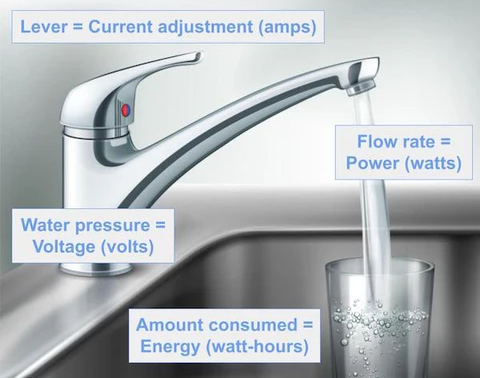
When charging a car battery, the appropriate charging amperage (current) can vary depending on factors such as the battery capacity, charger capabilities, and the desired charging speed. Generally, it is recommended to charge a car battery using a charger that provides a charging current between 10% and 20% of the battery's capacity.
Guideline for Selecting the Charging Amperage Based on the Battery's Capacity
Small Capacity Battery (e.g., 20-40 Ah): Use a charger with a charging current of around 4-8 amps. Lower amperage is preferable for slower, more controlled charging.
Medium Capacity Battery (e.g., 40-70 Ah): A charging current of 8-12 amps is typically suitable. This range provides a balance between charging speed and battery health.
Large Capacity Battery (e.g., 70-100 Ah): Opt for a charger with a charging current of 10-20 amps. Faster charging while ensuring the battery is not overloaded.
It's important to note that faster charging rates may generate more heat, which can affect battery longevity. Slower charging rates, on the other hand, may take longer to charge the battery. Some modern battery chargers have smart charging algorithms that adjust the charging current based on the battery's needs, providing a safe and optimized charging experience.Some chargers may also have different charging modes, such as "maintenance" or "trickle charge" modes, which use lower amperages to keep the battery charged over longer periods without overcharging it.
Remember to prioritize safety during the charging process, including following safety precautions, using a suitable charger, and charging the battery in a well-ventilated area away from open flames or sparks.

Important Factors to Consider When Choosing a Car Battery Charger
Besides the charging amperage, there are several important factors to consider when choosing a car battery charger to ensure compatibility, safety, and optimal charging performance.
Battery Type: Determine the type of battery in your car, as different battery types require specific charging methods. The most common types include lead-acid, AGM (Absorbent Glass Mat), and gel cell batteries. Choose a charger that is compatible with your battery type.
Voltage: Verify the voltage of your car battery. Most car batteries operate at 12 volts. Ensure that the charger you select matches the battery voltage to avoid damage and ensure safe charging.
Charging Speed: Consider the desired charging speed. Some chargers offer faster charging rates, while others provide slower, more gradual charging. It is generally recommended to opt for a charger that offers multiple charging modes or adjustable charging speeds, allowing you to choose the appropriate charging rate for your specific needs.
Safety Features: Look for chargers with built-in safety features, such as protection against overcharging, short circuits, reverse polarity, and overheating. These features help ensure safe and reliable charging and protect both the battery and the charger from potential damage.
Quality and Brand Reputation: Choose a charger from a reputable brand known for producing reliable and high-quality products. Read customer reviews and ratings to gauge the charger's performance, durability, and overall user satisfaction.
Additional Features: Consider any additional features that may be beneficial to you, such as an LCD display for monitoring charging progress, automatic voltage detection, maintenance modes, or compatibility with other battery types.
Portability and Convenience: If you require a portable charger for on-the-go use or if you have limited space, consider the size, weight, and portability of the charger. Some chargers are compact and lightweight, making them easier to carry and store.
Portability and Convenience: If you require a portable charger for on-the-go use or if you have limited space, consider the size, weight, and portability of the charger. Some chargers are compact and lightweight, making them easier to carry and store.
Warranty: Check the warranty offered by the charger manufacturer. A longer warranty period indicates the manufacturer's confidence in their product's quality and may provide additional peace of mind.
Post-Charging, Double-check the battery terminals for any signs of corrosion or loose connections. Clean or tighten them if necessary. Start the vehicle and allow it to run for a few minutes to stabilize the battery charge.
Post-Charging, Double-check the battery terminals for any signs of corrosion or loose connections. Clean or tighten them if necessary. Start the vehicle and allow it to run for a few minutes to stabilize the battery charge.
When selecting a charger, refer to the manufacturer's recommendations for your specific battery model. By considering these factors, you can choose a car battery charger that meets your specific needs, provides safe and efficient charging, and ensures the longevity of your car battery. If you have any doubts or questions please cantact us in www.pzpcn.com. We will provide professional solutions for car charger battery solution.
About PZP Battery Charger
PZP Battery Charger has been specializing in auto parts for over 10 years and has established long-term cooperation relationships with customers all over the world. PZP Battery Charger regularly participates in various auto parts exhibitions. Visitors are welcomed to visit our booth, office, and factory. PZP Battery Charger is committed to building the best corporate brand and providing customers with high-quality products. Since its inception, PZP Battery Charger has been accredited with all kinds of Quality Management Systems. PZP Battery Charger constantly strives to improve its processes and routines, ensuring long-term sustainable business practices that comply with regulations.
PZP Battery Charger has been specializing in auto parts for over 10 years and has established long-term cooperation relationships with customers all over the world. PZP Battery Charger regularly participates in various auto parts exhibitions. Visitors are welcomed to visit our booth, office, and factory. PZP Battery Charger is committed to building the best corporate brand and providing customers with high-quality products. Since its inception, PZP Battery Charger has been accredited with all kinds of Quality Management Systems. PZP Battery Charger constantly strives to improve its processes and routines, ensuring long-term sustainable business practices that comply with regulations.
For any OEM, ODM, or customized requirements, feel free to reach out to PZP.


