


 English
 Español
 Pусский
 العربية
 Français

The Importance of Motorcycle Batteries
Owning a motorcycle is an exhilarating experience, with the wind in your hair and the open road ahead. However, the thrill of the ride depends on one critical component: the motorcycle battery. Without a healthy battery, your motorcycle is nothing more than a piece of art in the garage. To ensure your motorcycle is always ready for action, you need to understand the significance of maintaining your battery and the role that battery tender motorcycle charger play in this process.
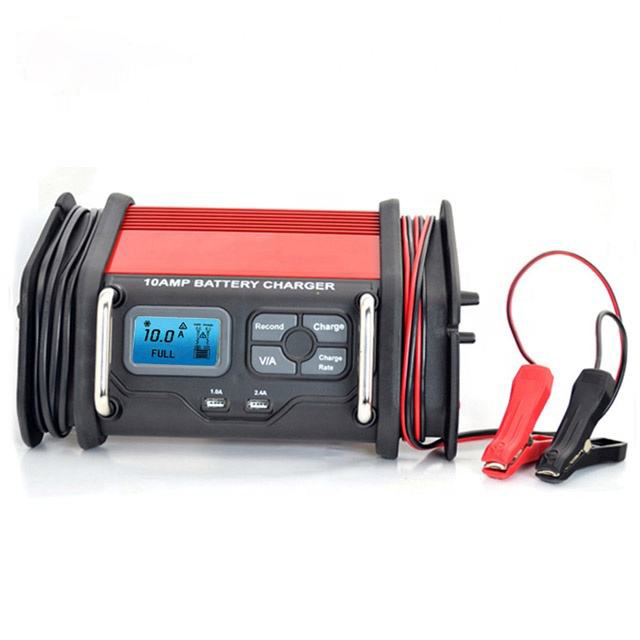
A motorcycle battery maintainer, also known as a battery charger or tender, is a specialized device designed to keep your motorcycle's battery in peak condition, especially during periods of inactivity. These periods can include winter storage, extended vacations, or simply when you're not riding frequently. A well-maintained battery ensures your motorcycle starts reliably, avoiding the frustration of a dead battery when you're eager to hit the road.
PZP'll delve into every aspect of battery tender motorcycle charger to equip you with the knowledge needed to keep your motorcycle's battery healthy and ready for action. PZP'll explore the different types of motorcycle batteries, how they work, and the challenges they face.

Understanding Motorcycle Batteries
Motorcycle batteries come in several types, each with its unique characteristics and advantages. Understanding the type of battery your motorcycle uses is essential for proper maintenance. Here are the most common types:
a. Conventional Lead-Acid Batteries
Conventional lead-acid batteries are the most common type of motorcycle battery. They are reliable, affordable, and widely available. They consist of lead plates submerged in a sulfuric acid solution and are known for their ability to deliver a high current when needed.
b. Maintenance-Free Lead-Acid Batteries
Maintenance-free lead-acid batteries are similar to conventional lead-acid batteries but come sealed, eliminating the need for adding water or checking electrolyte levels. They are low-maintenance and offer good reliability.
c. Gel Batteries
Gel batteries use a gel-like electrolyte instead of liquid acid. They are sealed and maintenance-free, providing better resistance to vibration and deeper discharges compared to conventional batteries.
d. AGM (Absorbent Glass Mat) Batteries
AGM batteries are another sealed and maintenance-free option. They use a fiberglass mat to hold the electrolyte, offering high power output and resistance to vibration and shock. They are commonly used in modern motorcycles.
e. Lithium-Ion Batteries
Lithium-ion batteries are lightweight and compact, making them an attractive option for many riders. They provide high energy density, quick charging, and a long lifespan. However, they are more expensive than lead-acid batteries.
Motorcycle batteries come in various sizes and specifications, depending on the make and model of your bike. Common battery sizes include:
YTX12-BS: A popular size for many motorcycles.
YTX14-BS: Found in larger bikes and some cruisers.
YTX20L-BS: Used in heavyweight motorcycles.
YTZ7S: Common in smaller, lightweight motorcycles.
It's crucial to check your motorcycle's owner's manual or consult with a professional to determine the correct battery size and specifications for your bike.
How Motorcycle Batteries Work
Motorcycle batteries are electrochemical devices that store electrical energy in the form of chemical energy. When you start your motorcycle, the battery delivers electrical current to the starter motor, which turns the engine over. This process involves a chemical reaction between lead plates and sulfuric acid electrolyte. During regular operation, the motorcycle's alternator or generator recharges the battery by converting mechanical energy from the engine into electrical energy. However, when the motorcycle is not in use, the battery can slowly lose its charge due to self-discharge and other factors.
The Need for Motorcycle Battery Maintainers
Challenges Faced by Motorcycle Batteries
Motorcycle batteries face several challenges that can affect their performance and longevity:
Self-Discharge: Even when not in use, motorcycle batteries gradually lose their charge over time. This self-discharge can lead to a partially or fully discharged battery when you're ready to ride.
Sulfation: Sulfation occurs when sulfate crystals form on the battery plates. Over time, sulfation can reduce the battery's capacity and overall performance.
Seasonal Storage: If you store your motorcycle during the winter or for other extended periods, the battery is at risk of discharging, freezing (in colder climates), and suffering from sulfation.
One of the most common scenarios where motorcycle charger maintainer prove invaluable is during seasonal storage. Here's how it works:
Winter Storage: Many riders store their motorcycles during the winter months when riding conditions are less favorable. During this time, the motorcycle may sit idle for several months. Without proper maintenance, the battery could deteriorate, resulting in a weak or dead battery when it's time to ride again.
Extended Vacations: If you plan to be away from your motorcycle for an extended vacation or trip, the same risks apply. A discharged or sulfated battery can cut your trip short or lead to unexpected problems upon your return.
The key to preventing battery discharge and sulfation during periods of inactivity is to maintain the battery's charge and condition. This is where a motorcycle battery maintainer comes into play. These devices are specifically designed to address these challenges by providing a low, constant charge to the battery, effectively keeping it in peak condition.
In the world of motorcycles, few things are as essential as a healthy battery. Your battery is the lifeblood of your bike, providing the power needed to start the engine, run the lights, and operate various electrical components. Without a reliable battery, your motorcycle remains silent and stationary, robbing you of the joy of riding. By understanding the importance of a motorcycle battery maintainer, how it works, and how to choose the right one, you've taken a significant step toward ensuring your motorcycle is always ready for action. Investing in a motorcycle battery maintainer is not just a smart choice; it's a responsible one. It saves you from the inconvenience of a dead battery, the cost of frequent battery replacements, and the frustration of missed riding opportunities.
With the right maintainer by your side, you'll have the peace of mind knowing that your motorcycle's heart is beating strong and ready to take you on your next adventure on the open road. Whether you're a weekend rider or a seasoned motorcycle enthusiast, the proper care and maintenance of your battery should always be a top priority. So, gear up, start your engines, and hit the road with confidence, knowing that your trusty battery and motorcycle battery maintainer have your back.


